Category: Block theme
-

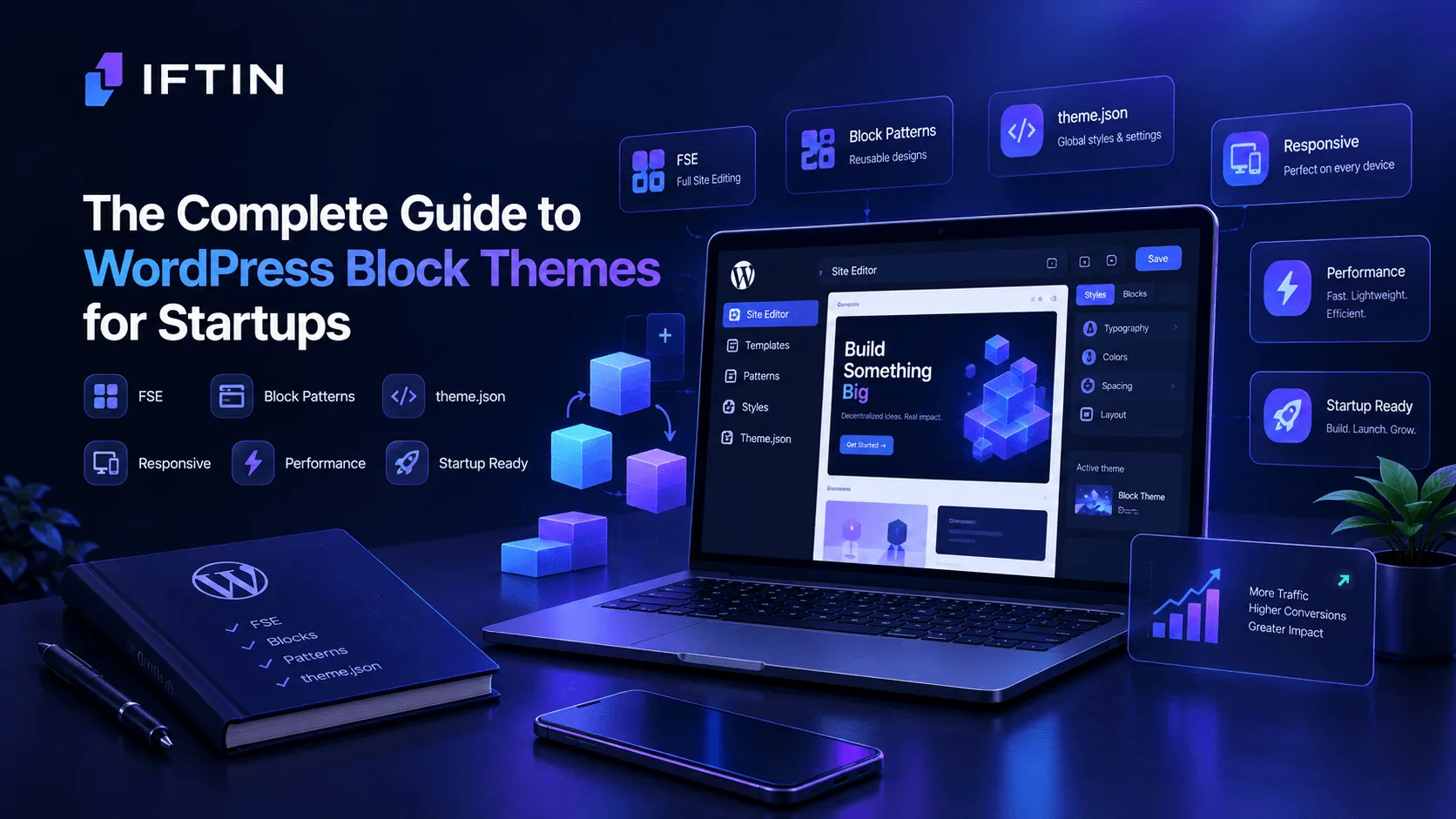
The Complete Guide to WordPress Block Themes for Startups
The way WordPress themes work has changed fundamentally. Most startup teams haven’t caught up with what that change actually means for how they build and maintain their websites. The classic WordPress model — a theme that controls some things, a page builder that controls other things, a collection of plugins filling in the gaps, and…
-
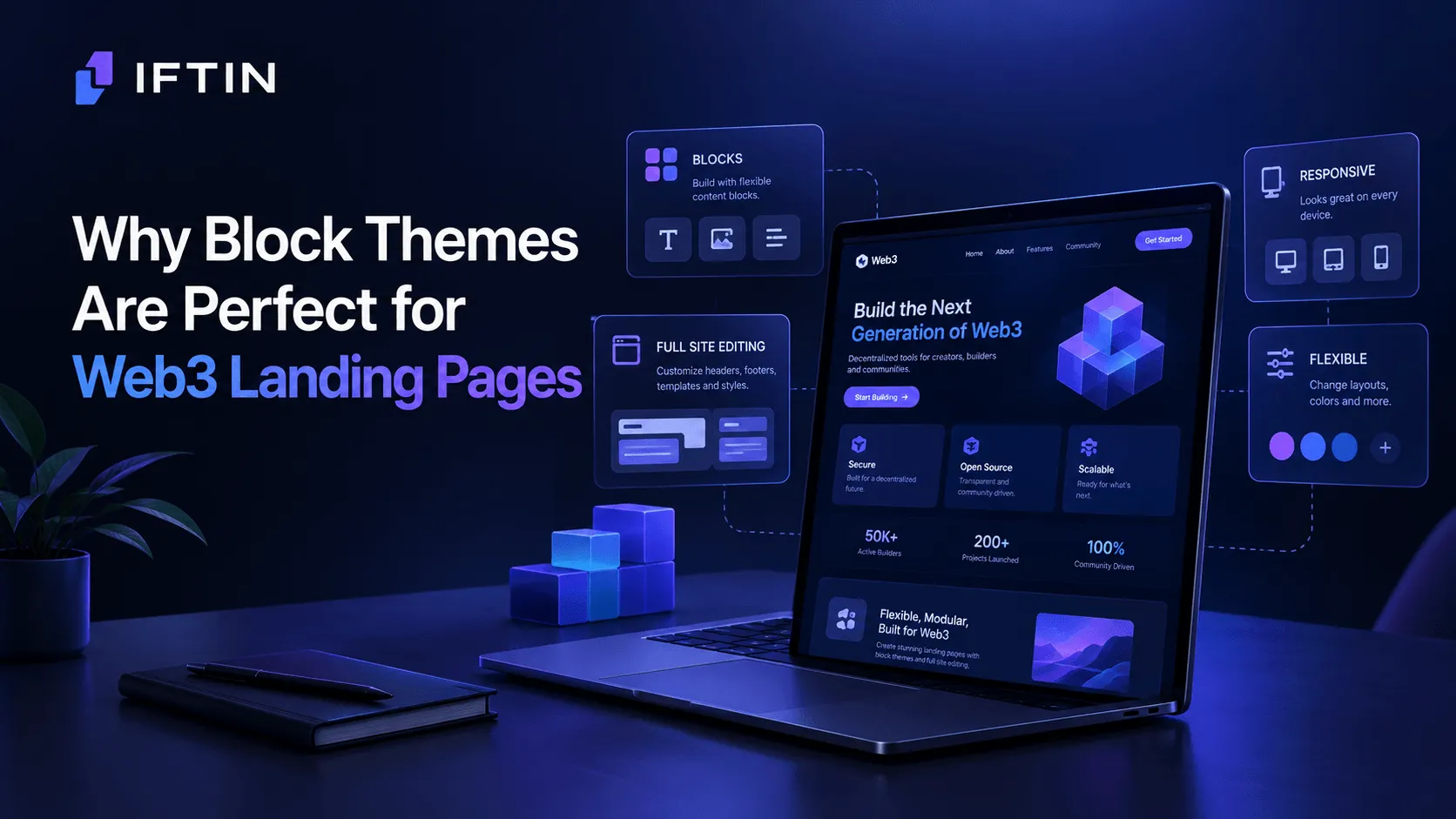
Why Block Themes Are Perfect for Web3 Landing Pages
There’s a quiet mismatch happening in Web3 marketing. Projects spending millions on smart contract audits and token engineering will ship a landing page built on a drag-and-drop page builder from a decade ago — bloated with JavaScript, dependent on third-party servers, and impossible to version control. The technical credibility the product earns on-chain gets quietly…
-
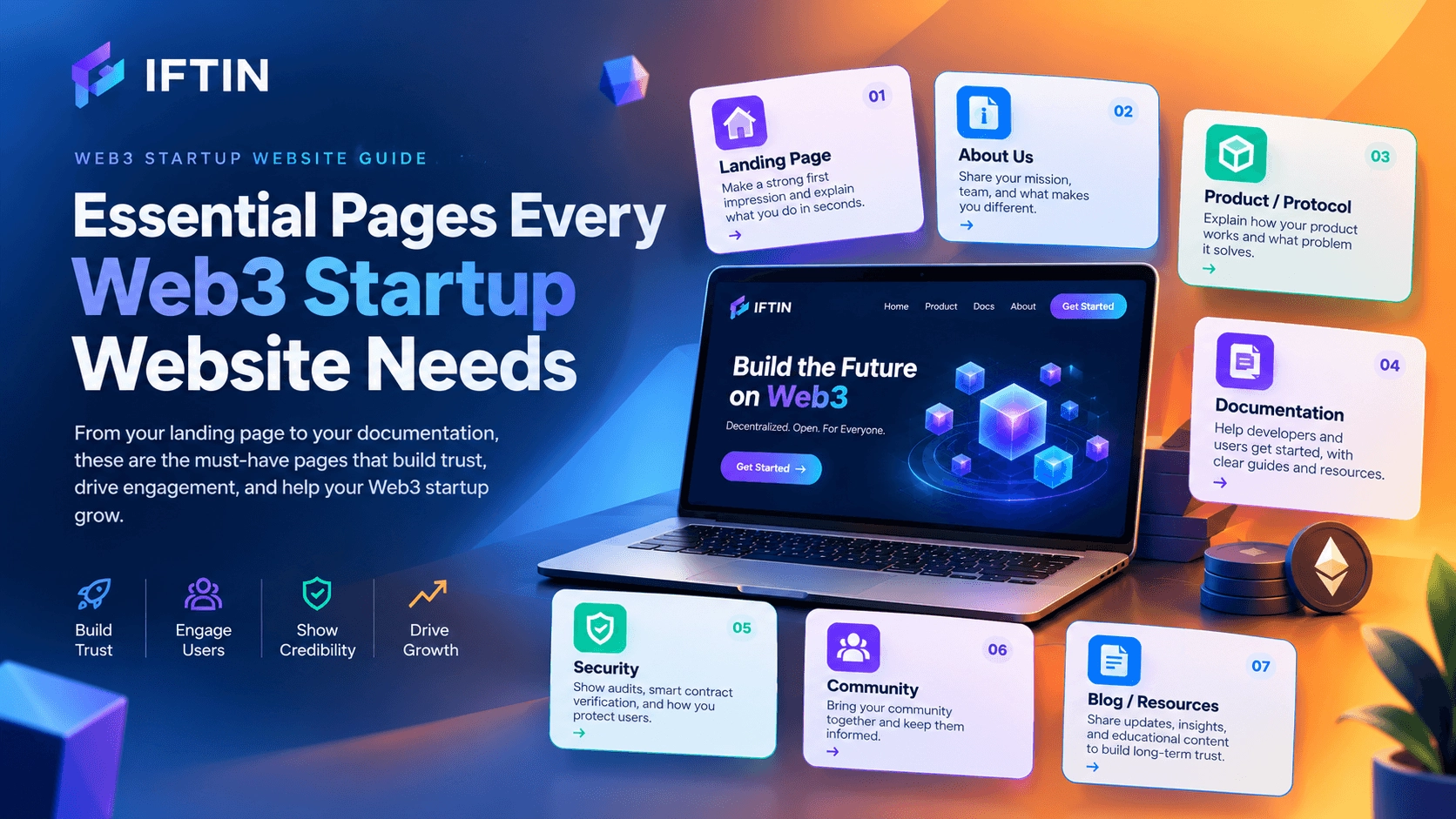
Essential Pages Every Web3 Startup Website Needs
Most Web3 startups launch with a homepage and a whitepaper link. Sometimes a roadmap. Occasionally a blog that gets three posts before going silent. Then six months in, the questions start. Where do I find the tokenomics? How does governance work? Who built this? Is there documentation for developers? The information exists — somewhere in…
-
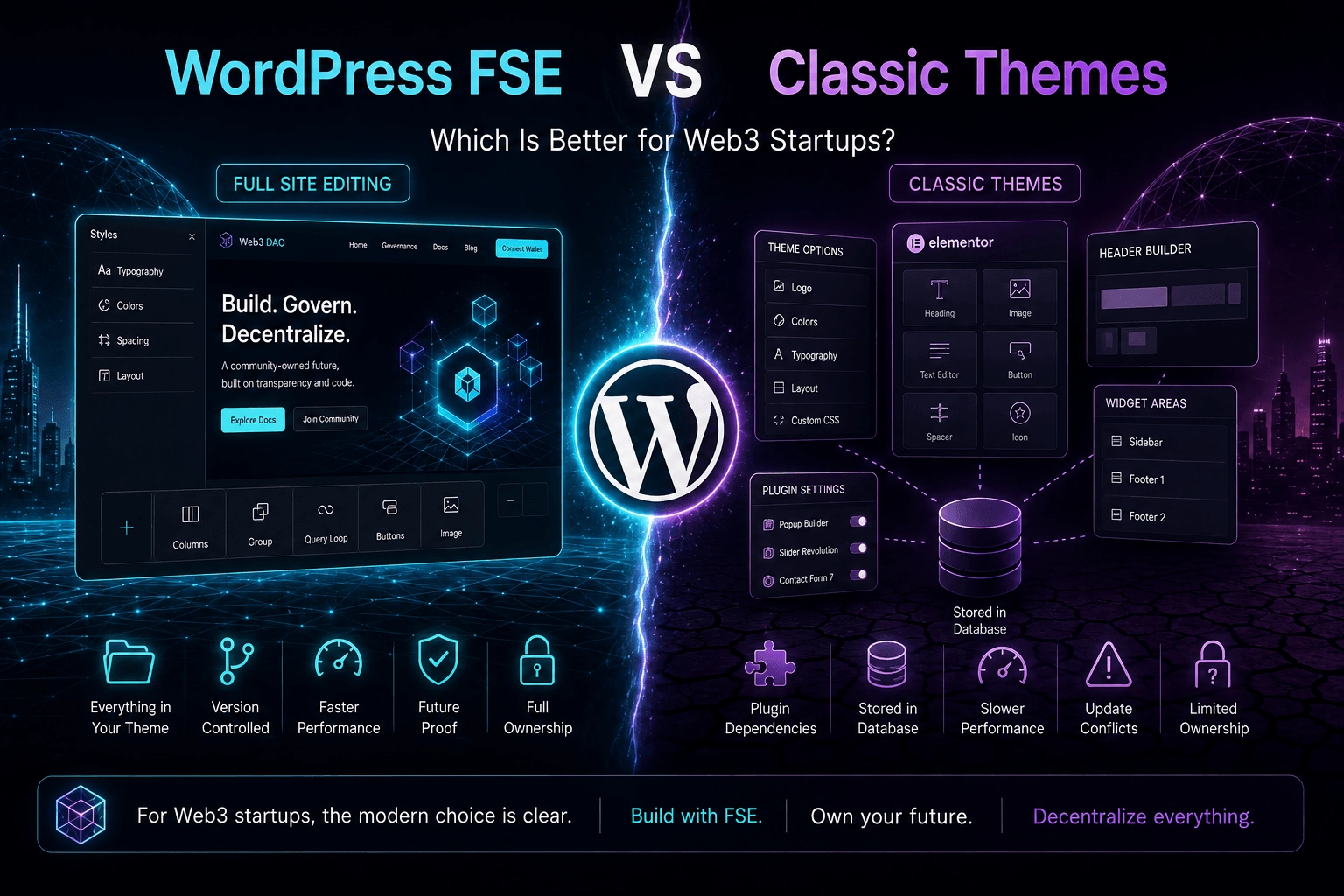
WordPress FSE vs Classic Themes for Web3 Startups
The debate usually starts with a practical question. A Web3 founder or developer needs a website. They know WordPress. They’re evaluating options and they keep running into two fundamentally different approaches: classic themes with page builders, and Full Site Editing with block themes. Both claim to solve the same problem. Both have advocates who speak…
-
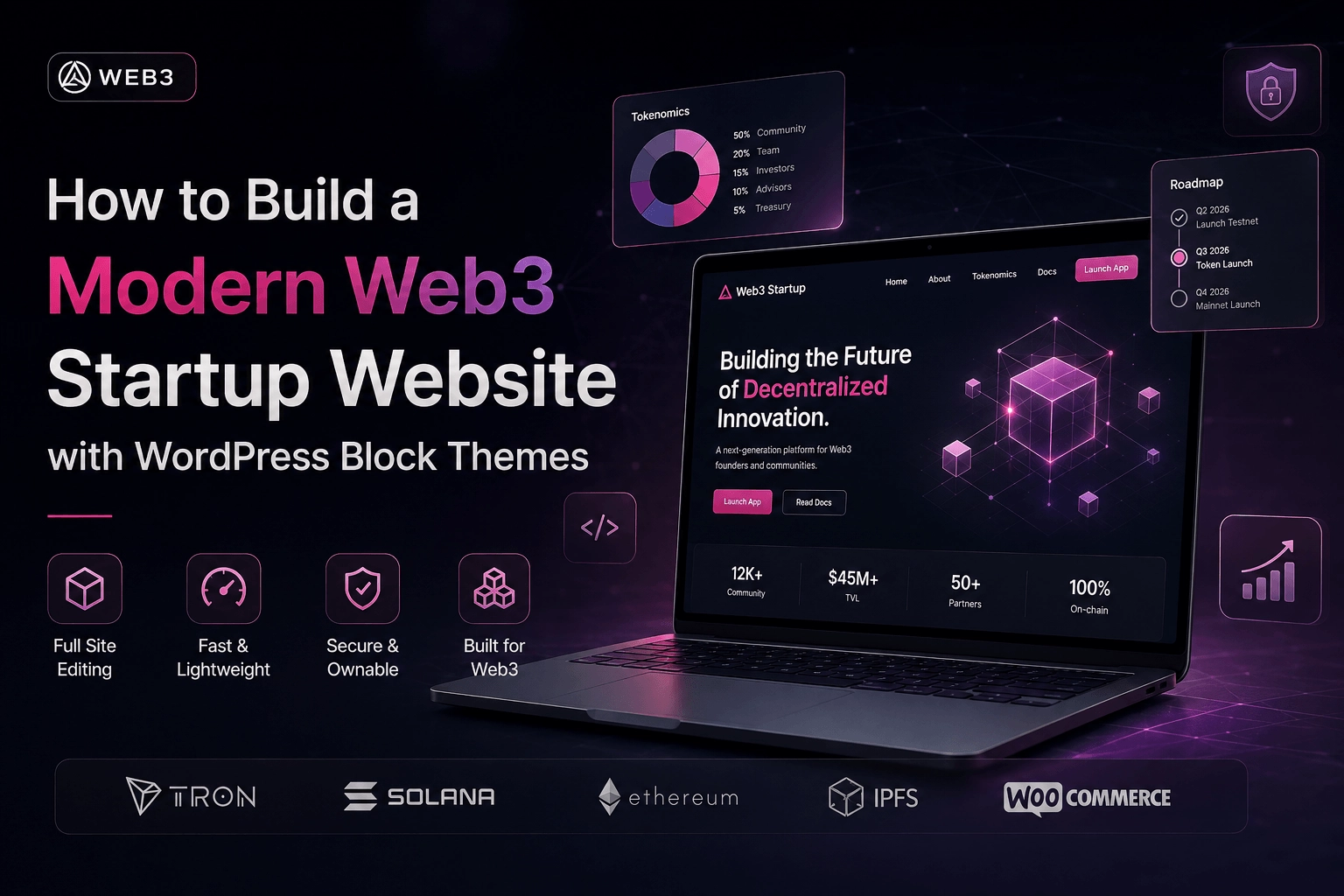
How to Build a Modern Web3 Startup Website with WordPress Block Themes
Most Web3 founders make the same mistake when it comes to their website: they overthink the stack. They debate between custom React apps, headless CMSs, and Webflow — burning weeks on infrastructure decisions before they’ve written a single word of copy. Meanwhile, their potential users have no idea they exist. Here’s the thing: a well-built…
IFTIN PRO
Sovereign, high-performance Full Site Editing theme engineered for Web3 startups & DAOs
🟢 All Systems Operational
© 2026 Amiin Maalik. All rights reserved. Built with digital sovereignty.